
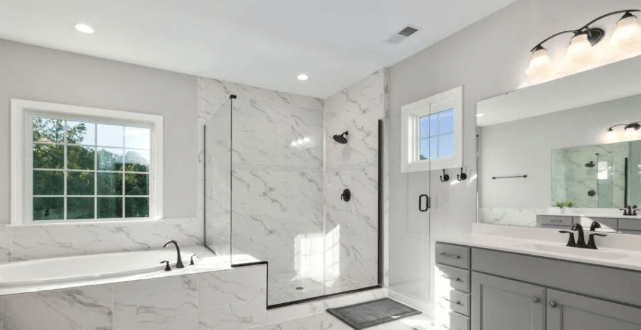
Modern Bathroom Plumbing Ideas for Renovations

Modern bathroom plumbing ideas for renovations emphasize optimized pipe routing, durable, corrosion-resistant fixtures, and accessible maintenance paths. The approach centers on modular components, hygienic coatings, and sustainable finishes to withstand daily use. Smart layout planning supports efficient zoning, precise fixture placement, and concealed valves to simplify upkeep. Leak prevention and lifecycle cost analysis underpin material choices, while scalable systems accommodate varied spaces and future updates, inviting further examination of how these elements integrate in practice.
Modern Bathroom Plumbing Ideas for Renovations
Renovating a bathroom demands careful attention to plumbing layouts, fixture selection, and material durability to ensure long-term performance and minimal disruption.
The discussion centers on optimized pipe routing, water-saving valves, and accessible maintenance paths.
Emphasis is placed on sustainability metrics and material durability to guide lifecycle decisions, balancing efficiency with reliability while maintaining design flexibility for evolving needs and regulatory compliance.
Innovative Fixtures and Finishes for Bathrooms
The discussion evaluates how innovative fixtures integrate modular, corrosion-resistant hardware and hygienic coatings, while sustainable finishes reduce environmental impact without compromising longevity, function, or ease of maintenance.
Water Efficiency and Sustainability in Bathroom Remodels
The analysis evaluates fixture efficiency, flow-rate benchmarks, and lifecycle costs, aligning with measurable sustainability goals.
Technical assessment includes refill accuracy, leak prevention, and system integration, ensuring reliable operation while supporting broader water conservation targets and user freedom through informed choices.
Practical Layout and Design Tips for Renovated Bathrooms
Smart layout planning for renovated bathrooms emphasizes functional zoning, efficient traffic flow, and precise fixture placement to optimize usability and maintenance. The discussion emphasizes modular layouts, hidden valves, sustainable fixtures, and cantilever sinks as core elements. It analyzes load paths, accessibility, and maintenance access, enabling simplified renovations. Clear timelines, scalable components, and precise tolerances ensure durable layouts adaptable to varied space constraints and user needs.
See also: Modern Bathroom Plumbing Ideas for Renovations
Frequently Asked Questions
How Long Does a Full Bathroom Plumbing Renovation Typically Take?
A full bathroom plumbing renovation typically takes several weeks, depending on scope and permitting. Timing expectations vary, with project phases from demolition to rough-in and finish work. Disruption management and coordination impact overall duration, budgeting, and contractor scheduling.
What Permits Are Required for Bathroom Plumbing Upgrades?
Permits overview signals compliance gates; for bathroom plumbing upgrades, jurisdictions require building permits and possible mechanical, electrical, and plumbing inspections to ensure code compliance. The process ensures safety, accountability, and freedom within regulated standards.
What Are the Best Noise-Reducing Pipe Options for Renovations?
Noise reduction pipes provide superior attenuation in fixtures, walls, and trenches, while vibration dampening fittings isolate seismic and appliance-induced forces; collectively, they minimize audible transmission, ensuring freedom from disturbance without sacrificing flow, compliance, or maintenance accessibility.
Can I Replace Plumbing While Living in the Home?
Yes, one can replace plumbing while living in a home, though it requires planning. The contractor coordinates access, minimizes disruption, and uses noise reducing pipe options; goals include safety, moisture control, and maintaining functional living spaces during the project.
What Are Hidden Costs Beyond Fixtures and Tiles?
Hidden costs arise from rough-ins, permits, and potential wall/structural adjustments. For budget planning, conduct a feasibility study addressing trade offs between timing, scope, and durability. Contingencies mitigate unexpected expenses during renovation feasibility and project execution.
Conclusion
Incorporating innovative fixtures, finishes, and intelligent layouts, modern bathroom plumbing prioritizes precision, practicality, and longevity. meticulous material selection minimizes corrosion and maximizes hygiene, while modular components enable scalable upgrades. Water-saving valves, leak-preventive designs, and lifecycle-cost analyses drive sustainable streaming of systems and spaces. zoning-aware installations reduce maintenance, and hidden valves streamline serviceability. By balancing load paths with adaptable tolerances, designers deliver durable, discreet plumbing solutions that endure daily use, deliver dependable performance, and support future renovations with confidence.