Amazing Mediterranean Cruise Experiences and Nature-Focused Adventures

Why Mediterranean Cruises Continue to Attract More Travellers
A Mediterranean cruise offers a unique combination of comfort, culture, history, sunshine, and the freedom of life at sea. You can wake up in the port of Barcelona one morning, spend the next day exploring the ancient ruins of Rome, and then continue towards the whitewashed villages scattered across the Greek islands. This seamless rhythm is one of the greatest appeals of cruising: the scenery changes every day, while your cabin, restaurants, and onboard facilities travel with you. There’s no need to pack and unpack every other day, and moving between destinations is far less tiring than on a multi-city land holiday.
The Mediterranean remains one of the world’s most iconic cruise regions because many of its ports are located close to historic city centres and world-famous attractions. From Civitavecchia, travellers often take day trips to Rome, while Piraeus serves as the gateway to Athens, and Katakolon provides access to the archaeological site of Olympia. In the Western Mediterranean, popular embarkation and stopover ports include Barcelona, Marseille, Genoa, Palma de Mallorca, and Naples. Eastern Mediterranean itineraries typically focus on the Greek islands, the Croatian coastline, Turkey, and the beautiful destinations of the Adriatic Sea.
People searching for terms such as Mediterranean cruise, Mediterranean cruises, cruising the Mediterranean, or best Mediterranean cruise itineraries are often looking for both practical advice and travel inspiration. Many wonder whether a cruise is suitable for families, couples, first-time cruisers, or active travellers who enjoy nature and outdoor experiences. The answer depends on the itinerary, cruise line, season, and shore excursions. Modern cruise ships commonly feature swimming pools, fitness centres, entertainment, children’s clubs, speciality restaurants, and adults-only areas, while smaller vessels often visit more intimate ports and provide a quieter, more personal atmosphere.
The Mediterranean climate is another major attraction. Summers are typically hot and dry along much of the coastline, while spring and autumn offer more comfortable temperatures for sightseeing and outdoor adventures. April to June and September to October are considered ideal by many travellers, as attractions are generally less crowded than during July and August, and the sea remains pleasantly warm for swimming, particularly in early autumn.
The Most Popular Mediterranean Routes and Ports
Mediterranean cruise itineraries are generally divided into Western Mediterranean, Eastern Mediterranean, and Adriatic routes. The Western Mediterranean is especially well suited to first-time cruisers thanks to its famous ports, excellent transport connections, and wide variety of attractions. Barcelona is one of the region’s leading departure ports, offering an inspiring mix of Gaudí’s architecture, seaside promenades, tapas bars, and the charming streets of the Gothic Quarter before passengers even board the ship. From Barcelona, itineraries may continue to Marseille, the Italian coastline, Mallorca, or Sicily.
Italy’s ports remain timeless highlights of Mediterranean cruising. Naples serves as the gateway to Pompeii, the Amalfi Coast, and the island of Capri. From Civitavecchia, many passengers travel into Rome to visit iconic landmarks such as the Colosseum, the Roman Forum, the Pantheon, and Vatican City. Genoa offers convenient access to the picturesque villages of the Ligurian coast and northern Italy. Cruise operations around Venice have changed in recent years due to restrictions on large vessels, meaning some itineraries now use ports such as Marghera, Trieste, or Ravenna instead. It is therefore worth checking your embarkation port before booking.
The Eastern Mediterranean introduces travellers to the Aegean Sea, Greek island life, and the rich legacy of the ancient world. Santorini is famous for its dramatic caldera views, blue-domed churches, and villages perched high above the sea. Mykonos attracts visitors with its beaches, winding alleyways, and iconic windmills, while Rhodes offers a beautifully preserved medieval Old Town, recognised as a UNESCO World Heritage Site, alongside sunny beaches. Piraeus, the port of Athens, provides easy access to the Acropolis and the historic Plaka district. If you would like to compare different itineraries, departure dates, and destinations, you can explore the available Mediterranean cruise options and discover which route best matches your travel style.
Adriatic cruises have become increasingly popular, largely thanks to Croatia’s spectacular coastline. Dubrovnik’s walled Old Town, Split’s magnificent Diocletian’s Palace, and the fjord-like Bay of Kotor in Montenegro are destinations where history and nature blend in remarkable ways. Port days on these itineraries are often packed with experiences, as the old towns are compact yet full of historical layers. Comfortable walking shoes are highly recommended for exploring cobbled streets, ancient fortifications, churches, and scenic viewpoints.
Nature-Based Adventures Along Your Cruise
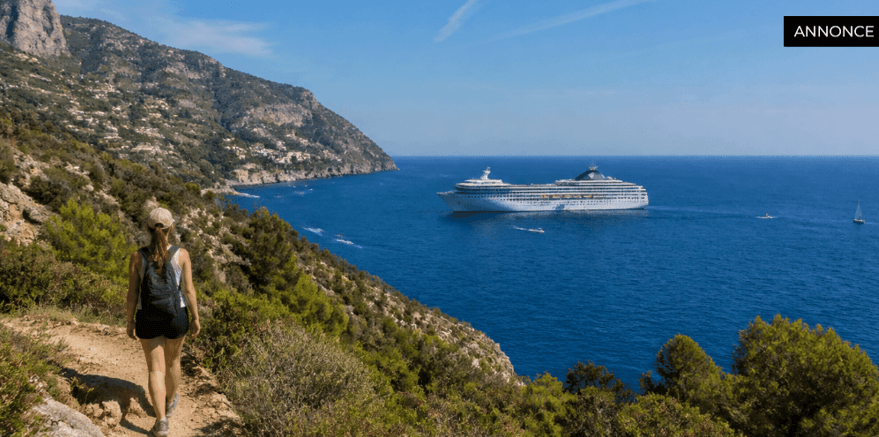
Although Mediterranean cruises are often associated with city breaks and cultural sightseeing, they can also offer surprisingly rich nature experiences. Many cruise ports provide direct access to hiking trails, volcanic landscapes, dramatic coastlines, national parks, and crystal-clear waters, making it easy to combine relaxation with active outdoor adventures.
One of the region’s most impressive natural attractions is Mount Etna in Sicily, Europe’s highest active volcano. Guided excursions take visitors to viewpoints and volcanic landscapes where they can experience the immense power of nature while enjoying breathtaking panoramas across the island and the Mediterranean Sea. Depending on the season and weather conditions, some tours also reach higher elevations by cable car or specialised vehicles.
Along France’s southern coastline, Marseille serves as the gateway to Calanques National Park, renowned for its dramatic limestone cliffs, hidden coves, turquoise waters, and scenic hiking routes. Whether exploring on foot or by kayak, visitors quickly discover why the area is considered one of the Mediterranean’s most spectacular natural landscapes.
The Greek islands offer a different type of outdoor experience. On Santorini, walking trails along the caldera connect picturesque villages while providing unforgettable views across the volcanic crater and the deep blue Aegean Sea. Crete features impressive mountain gorges, including the famous Samaria Gorge, where hikers pass through rugged landscapes rich in wildlife and Mediterranean vegetation. Even smaller islands often have well-marked walking routes leading through olive groves, vineyards, and traditional villages.
The Adriatic coastline is equally rewarding for nature lovers. Croatia’s coastline includes numerous islands, crystal-clear waters, and several national parks. Popular excursions include boat trips through Kornati National Park, kayaking around Dubrovnik’s city walls, or hiking in Krka National Park, where cascading waterfalls and wooden boardwalks create unforgettable scenery. Montenegro’s Bay of Kotor combines steep mountain slopes with peaceful fjord-like waters, offering excellent opportunities for hiking and photography.
One advantage of cruise travel is the flexibility to tailor each port day to your interests. Some travellers choose guided city tours, while others prefer independent hikes, cycling routes, or swimming in secluded bays. Many cruise lines also offer organised active excursions that include hiking, snorkelling, paddleboarding, or e-bike tours, making it easy to experience destinations from a different perspective.
Choosing the Right Cruise Ship and Cabin
The cruise ship itself plays a major role in shaping your Mediterranean experience. Large modern vessels resemble floating resorts, offering numerous restaurants, entertainment venues, swimming pools, fitness centres, theatres, spas, and activities for all age groups. Smaller ships provide a quieter atmosphere, shorter boarding times, and access to ports that larger vessels cannot enter.
When selecting a cabin, both your budget and travel preferences should be considered. Inside cabins are generally the most affordable option and are ideal for travellers who plan to spend most of their time exploring destinations or enjoying the ship’s public spaces. Ocean-view cabins provide natural daylight, while balcony cabins allow guests to enjoy private outdoor space, sea views, and fresh Mediterranean air whenever they wish.
Cabin location also affects overall comfort. Cabins located midship on lower or middle decks tend to experience less movement in rougher seas, making them a popular choice for travellers who are sensitive to motion. Those seeking peace and quiet may prefer cabins located away from lifts, entertainment venues, and busy public areas.
Dining experiences vary between cruise lines, but most Mediterranean cruises include buffet restaurants and main dining rooms as part of the fare. Many ships also feature speciality restaurants serving Italian, French, Asian, seafood, or steakhouse cuisine. Increasingly, cruise lines cater well for vegetarian, vegan, and gluten-free diets, making it easier for travellers with specific dietary requirements to enjoy their holiday without concern.
Practical Tips for a Better Mediterranean Cruise
A little preparation before departure can make your cruise considerably more enjoyable. Although life on board is comfortable, you’ll spend many hours exploring ports where the climate, terrain, and local transport can vary significantly. Packing versatile clothing is therefore a smart choice. Lightweight garments, comfortable walking shoes, swimwear, sunglasses, sunscreen, and a reusable water bottle are essentials for most itineraries.
It’s also worth checking your cruise line’s luggage guidelines and embarkation procedures before travelling. Many cruise companies now offer digital check-in and mobile apps where you can manage excursions, dining reservations, daily schedules, and onboard expenses. Familiarising yourself with these services before departure can save valuable time once you’re on board.
When visiting ports independently, it’s important to keep an eye on the ship’s departure time. Cruise ships operate on strict schedules, and passengers are responsible for returning before the all-aboard time if they are not participating in an organised shore excursion. Allowing a comfortable safety margin helps avoid unnecessary stress.
Currency requirements vary depending on your itinerary. Many Mediterranean countries use the euro, while destinations such as Turkey may require local currency or card payments. Credit cards are widely accepted throughout most ports, but carrying a small amount of cash can be useful for local markets, cafés, or taxis.
Sustainable Travel and Respect for Local Communities
As Mediterranean tourism continues to grow, responsible travel has become increasingly important. Many destinations experience large numbers of visitors during the summer months, making respectful behaviour essential for preserving both local communities and natural environments.
Simple choices can make a positive difference:
- Support locally owned cafés, restaurants, and shops.
- Bring a reusable water bottle whenever possible.
- Respect marked hiking trails and protected natural areas.
- Dispose of waste responsibly.
- Follow local customs and dress appropriately when visiting churches or religious sites.
Many cruise operators are also investing in cleaner technologies, improved waste management, and lower-emission fuels as part of wider sustainability initiatives. While cruising continues to evolve, travellers also play an important role in protecting the destinations they visit.
See also: The Real Cost and Access Tradeoffs Behind Physicians Weight Loss Centers
Combining Cruises with Independent Travel
Many travellers choose to extend their Mediterranean cruise by arriving a few days before embarkation or staying longer after disembarkation. This approach provides additional time to experience departure cities such as Barcelona, Athens, Rome, or Venice without feeling rushed.
Extending your holiday also allows greater flexibility if flights are delayed and offers the opportunity to explore nearby nature reserves, beaches, hiking routes, or cultural attractions that may not fit into a standard port visit. For outdoor enthusiasts, combining a cruise with independent hiking or cycling creates an even richer travel experience.
Whether your interests lie in historic cities, Mediterranean cuisine, island life, spectacular coastlines, or active adventures in nature, a Mediterranean cruise offers remarkable diversity within a single holiday. With thoughtful planning and the right itinerary, each port becomes an opportunity to experience a different culture, landscape, and way of life—while enjoying the convenience and comfort that make cruising one of the world’s most popular ways to travel.